

Did you know that over 53 million Americans provide unpaid care to a family member? This staggering statistic means more than one in five adults manages a complex, demanding role without any formal training or a manual to guide them.
Finding a healthy balance between your personal life and these essential duties often feels like a constant uphill battle. Focusing on organizing home caregiving routines helps reduce daily stress and brings a sense of peace to everyone in the household.
A solid plan creates a much-needed sense of stability and safety for your loved ones. Implementing effective caregiver routine organization ensures that vital tasks, like medication or exercise, never slip through the cracks during a busy afternoon.
Key Takeaways
- Establish a consistent daily schedule to build trust and comfort.
- Use digital tools and apps to track medical appointments and pills.
- Prioritize self-care time to maintain your own physical health.
- Keep a centralized list of emergency contacts easily accessible for everyone.
- Simplify household chores to save energy for meaningful interactions.
- Prepare a “go-bag” with essential documents for unexpected hospital visits.
Assess Your Caregiving Responsibilities and Daily Needs
Understanding your caregiving responsibilities and daily needs is fundamental to organizing tasks for caregivers. To create an effective caregiving plan, you must first have a clear picture of what your caregiving duties entail.
List All Essential Care Tasks and Activities
Begin by making a comprehensive list of all the tasks you perform as a caregiver. This includes personal care activities like bathing, dressing, and feeding, as well as medication management and medical appointment scheduling. Don’t forget to include household chores and other responsibilities that are part of your caregiving role.
Creating such a list helps you visualize the scope of your responsibilities and identify areas where you might need additional support or resources.
Determine Time Requirements for Each Responsibility
Once you have listed all your caregiving tasks, estimate the time required for each activity. This step is crucial for caregiver schedule planning as it allows you to allocate your time more effectively. Be realistic about how long tasks take, and consider factors like the care recipient’s condition and your own energy levels.
Evaluate Your Care Recipient’s Personal Preferences and Limitations
Understanding the personal preferences and limitations of the person you’re caring for is vital. This includes their daily routines, likes, dislikes, and any physical or cognitive limitations they may have. Incorporating these factors into your caregiving plan can significantly improve the quality of care provided.
Identify Peak Energy Times for Both Caregiver and Care Recipient
Recognizing the times of day when both you and the care recipient have the most energy can help you organize tasks more efficiently. Schedule more demanding tasks for these peak energy times, and save less strenuous activities for when energy levels are lower.
Master Caregiver Schedule Planning with Practical Systems
Mastering the art of caregiver schedule planning can significantly improve the quality of care provided at home. By implementing a well-structured and efficient caregiving plan, caregivers can better manage their responsibilities, reduce stress, and enhance the overall caregiving experience.
Design Your Daily Caregiving Timeline
Creating a daily caregiving timeline is essential for organizing tasks and ensuring that all responsibilities are covered. This involves structuring morning care routines, planning afternoon activities and rest periods, and organizing evening and nighttime responsibilities.
Structure Morning Care Routines
Morning care routines set the tone for the day. They typically include tasks such as:
- Assisting with waking up and morning hygiene
- Preparing breakfast
- Administering morning medication
- Helping with dressing and grooming
By establishing a consistent morning routine, caregivers can ensure a smooth start to the day.
Plan Afternoon Activities and Rest Periods
The afternoon often involves a mix of activities and rest periods. Caregivers should plan:
- Engaging activities such as walks, games, or therapy sessions
- Rest periods to prevent fatigue
- Meal preparation and feeding assistance
Balancing activity and rest is crucial for the well-being of both the caregiver and the care recipient.
Organize Evening and Nighttime Responsibilities
Evening routines are just as important as morning ones. They may include:
- Assisting with dinner preparation and cleanup
- Administering evening medication
- Helping with relaxation techniques or leisure activities before bed
- Preparing for the night ahead, including setting out clothes and medications for the next day
Choose the Right Planning Tools for Your Situation
Selecting the appropriate planning tools can make a significant difference in managing caregiving responsibilities. Caregivers have various options, including digital calendar apps, scheduling software, paper planners, and wall charts.
Digital Calendar Apps and Scheduling Software
Digital tools offer flexibility and accessibility. They can be used to:
- Schedule appointments and set reminders
- Share schedules with family members or healthcare providers
- Track medication and care tasks
Popular digital calendar apps include Google Calendar and Apple Calendar.
Paper Planners and Wall Charts
For those who prefer a more traditional approach, paper planners and wall charts can be effective. They provide a tangible way to:
- Plan daily tasks and appointments
- Keep track of medication schedules
- Display important contact information
Build Flexibility into Your Schedule
While structure is important, it’s equally crucial to build flexibility into your caregiving schedule. Unexpected events and changes in condition can occur, and having some buffer time can help manage these situations.
Tips for building flexibility include:
- Leaving some buffer time between tasks
- Prioritizing tasks based on urgency and importance
- Regularly reviewing and adjusting the schedule as needed
By incorporating these strategies, caregivers can create a more efficient home caregiving plan that meets the needs of both the caregiver and the care recipient.
Organizing Home Caregiving Routines with Proven Strategies
To provide the best care, caregivers must establish routines that are both practical and adaptable to changing needs. Organizing home caregiving duties effectively is crucial for maintaining a smooth and stress-free caregiving experience.
Establish Consistent Daily Protocols and Rituals
Establishing consistent daily protocols and rituals helps create a sense of stability and normalcy for both the caregiver and the care recipient. This can include morning and evening routines, meal times, and activities.
For example, starting the day with a gentle morning routine can help signal the start of the day for the care recipient, making it easier to manage their daily schedule.
Create an Efficient Medication Management System
Managing medication is a critical aspect of caregiving. An efficient medication management system ensures that medications are taken correctly and on time.
Set Up Organized Medication Stations
Designating a specific area for medication storage and management can help keep things organized. This could be a medication cabinet or a drawer with dividers.
Implement Reliable Reminder Methods
Using pill boxes, alarms, or mobile apps can help remind caregivers and care recipients when it’s time to take medication.
Track Medication Schedules and Refills
Keeping a log of medication schedules and refills can help prevent missed doses or running out of medication. This can be done using a calendar or a medication management app.
| Medication | Dosage | Frequency | Refill Date |
|---|---|---|---|
| Aspirin | 81mg | Daily | 2024-03-15 |
| Lisinopril | 10mg | Daily | 2024-04-01 |
| Insulin | 10 units | Twice Daily | 2024-03-20 |
Streamline Meal Planning and Preparation
Meal planning and preparation are essential caregiving tasks. Streamlining these processes can save time and ensure the care recipient receives nutritious meals.
Planning meals in advance and preparing a grocery list can help make grocery shopping more efficient. Using a slow cooker or meal prep containers can also simplify meal preparation.
Coordinate Medical Appointments and Healthcare Visits
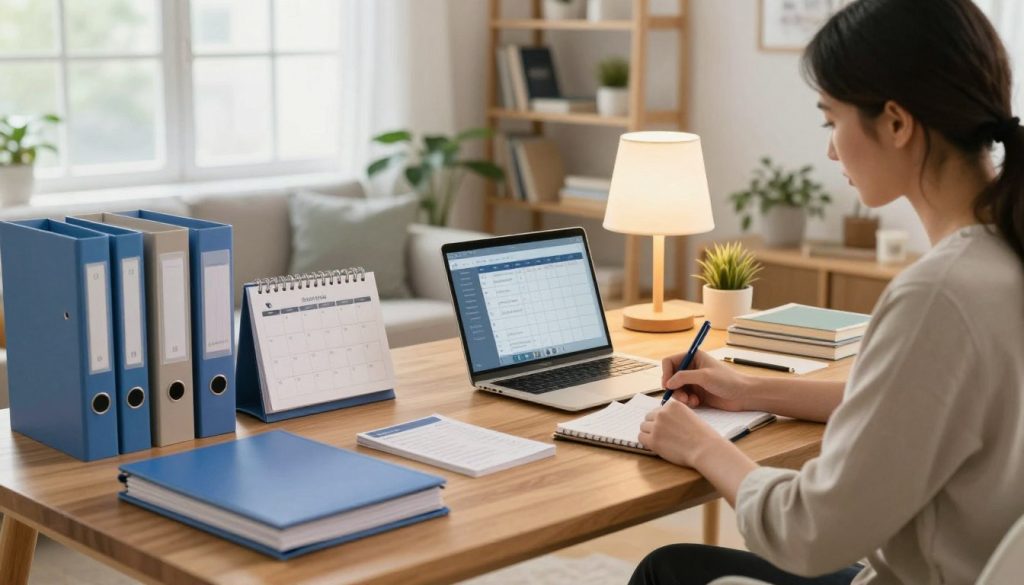
Coordinating medical appointments and healthcare visits is a critical caregiving responsibility. Keeping track of appointments and preparing necessary documents can help make these visits less stressful.
Using a calendar or planner specifically for medical appointments can help keep everything organized. It’s also helpful to prepare a list of questions or concerns to discuss with healthcare providers.
Schedule Personal Care and Hygiene Routines
Scheduling personal care and hygiene routines is vital for the care recipient’s health and comfort. This includes bathing, dressing, and grooming.
Establishing a regular schedule for these activities can help maintain the care recipient’s dignity and prevent health issues related to poor hygiene.
Apply Home Organization Tips for Caregiving Spaces
By implementing home organization strategies, caregivers can create a more manageable and safe environment. This involves designing functional care stations, organizing medical supplies, arranging living spaces for safety and mobility, and labeling everything for quick identification.
Design Functional Care Stations Throughout Your Home
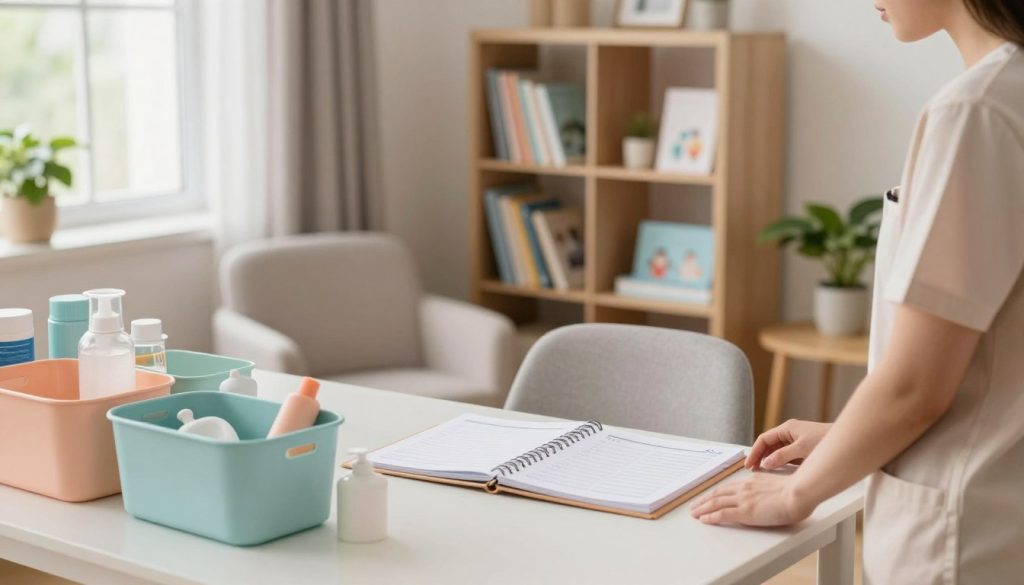
Creating care stations throughout the home can significantly enhance caregiving efficiency. A care station is a designated area equipped with everything needed for a specific caregiving task. For example, a medication station can be set up with a pill organizer, medication list, and water.
Tips for designing care stations:
- Identify the most frequently performed caregiving tasks.
- Choose a convenient location for each care station.
- Equip each station with necessary supplies and information.
Organize Medical Supplies and Equipment for Easy Access
Organizing medical supplies is crucial for efficient caregiving. This can be achieved by creating central supply hubs and maintaining inventory checklists.
Create Central Supply Hubs
A central supply hub is a designated area where all medical supplies are stored. This could be a cabinet, drawer, or shelf that is easily accessible.
Benefits of central supply hubs:
- Reduces time spent searching for supplies.
- Helps in keeping track of inventory.
- Enhances overall caregiving efficiency.
Maintain Inventory Checklists
Keeping an inventory checklist ensures that medical supplies are always available and helps in planning for future needs.
| Supply Item | Quantity | Expiry Date |
|---|---|---|
| Blood Pressure Monitor | 1 | N/A |
| Bandages | 20 | 2025-01-01 |
Arrange Living Spaces for Safety and Mobility
Ensuring that living spaces are safe and accessible is vital for both caregivers and care recipients. This involves removing tripping hazards, installing handrails, and ensuring that pathways are clear.
Label Everything for Quick Identification
Labeling supplies, equipment, and areas of the home can significantly reduce confusion and enhance efficiency. Labels can be used on storage containers, medical equipment, and even rooms.
Benefits of labeling:
- Enhances quick identification of supplies and equipment.
- Reduces errors in caregiving tasks.
- Facilitates easier navigation of the home for both caregivers and care recipients.
Maintain Effective Communication and Record-Keeping Systems
A well-organized caregiving routine relies heavily on effective communication and meticulous record-keeping. Caregivers must juggle multiple responsibilities, from managing medications to coordinating medical appointments, making it essential to have systems in place to stay organized.
Keep Organized Medical Records and Care Documentation
Maintaining accurate and accessible medical records is crucial for caregiver routine organization. This includes keeping track of medications, medical history, and treatment plans. Consider using a dedicated binder or digital tool to store this information.
For instance, a caregiver might use a table to track medication schedules:
| Medication | Dosage | Frequency |
|---|---|---|
| Aspirin | 81mg | Daily |
| Lisinopril | 10mg | Daily |
| Insulin | As needed | 3 times a day |
As noted by the National Institute on Aging, “Keeping track of medications is a critical part of caregiving.”
“Keeping track of medications is a critical part of caregiving.”
Set Up Communication Channels with Healthcare Providers
Establishing clear communication channels with healthcare providers is vital for caregiving schedule organization. This may involve setting up regular check-ins, using secure messaging apps, or attending appointments together.
Caregivers should also be proactive in asking questions and seeking support when needed. Effective communication can help prevent misunderstandings and ensure that the care recipient receives the best possible care.
Share Schedules with Family Members and Support Network
Sharing schedules with family members and the support network can help distribute responsibilities and reduce stress. This can be achieved through shared digital calendars or regular family meetings.
By keeping everyone informed, caregivers can ensure that they receive the support they need and that the care recipient’s needs are met.
Monitor Progress and Adapt Your Routines
Regularly monitoring the caregiving routine and making adjustments as needed is essential for maintaining an efficient home caregiving plan. This involves being flexible and responsive to changes in the care recipient’s condition or needs.
By staying vigilant and adapting the caregiving routine accordingly, caregivers can ensure that they continue to provide the best possible care.
Conclusion
Organizing home caregiving routines is crucial for providing quality care while maintaining a sense of normalcy and control. By implementing effective caregiver schedule planning, caregivers can ensure that their loved ones receive the care they need while also taking care of themselves.
Throughout this article, we’ve explored various strategies for organizing caregiving responsibilities, from assessing daily needs to creating functional care stations. By applying these practical tips, caregivers can streamline their daily tasks, reduce stress, and improve the overall caregiving experience.
By maintaining organized medical records, establishing consistent daily protocols, and leveraging home organization tips, caregivers can create a supportive environment that benefits both the caregiver and the care recipient. Effective organizing home caregiving routines is key to achieving a better balance between caregiving responsibilities and personal life.