

Did you know that nearly 90% of adults over age 65 want to stay in their current homes as they age? This strong desire for independence is reshaping how families across the United States approach long-term wellness. Keeping our loved ones safe while honoring their wishes is now easier than ever before.
Modern elder care technology provides the perfect bridge between safety and freedom. These digital tools allow seniors to live on their own terms without constant oversight or heavy intervention. It is truly about empowerment rather than just simple observation.
Implementing elderly health monitoring systems ensures that help is always just a click away. It gives peace of mind to families while respecting a person’s privacy and daily routine. These smart systems track movements to catch potential issues early.
Our guide explores how these smart solutions are transforming the way we support aging parents. Discover the benefits of staying connected through innovative digital devices that protect quality of life. Embracing these tools means choosing a future where aging is handled with dignity.
Key Takeaways
- Most seniors prefer aging in place over moving to assisted living facilities.
- Advanced digital tools bridge the gap between personal safety and total freedom.
- Real-time systems provide essential peace of mind for family caregivers.
- Smart solutions empower seniors to maintain their familiar daily routines.
- Innovative devices help detect potential risks before they become emergencies.
- Technology allows for a dignified approach to aging within one’s own home.
1. Why Elderly Health Monitoring Matters for Independent Living
Elderly health monitoring has emerged as a critical component in the care and support of seniors, enabling them to maintain their independence while ensuring their health and safety. This is achieved through various technologies and strategies that monitor health indicators, detect potential issues early, and provide timely interventions.
1.1 Enhanced Safety Without Sacrificing Freedom
Enhanced safety is a primary benefit of elderly health monitoring. Systems can be set up to detect falls, monitor chronic conditions, and alert caregivers or emergency services in case of an incident. For instance, wearable devices equipped with fall detection can automatically send alerts to family members or emergency responders if a senior falls.
1.2 Early Detection Saves Lives
Early detection of health issues is crucial for effective management and treatment. Continuous monitoring allows for the identification of subtle changes in health status, enabling early intervention. This can significantly improve outcomes for conditions such as heart disease, diabetes, and cognitive decline.
1.3 Peace of Mind for Families and Caregivers
Elderly health monitoring also provides peace of mind for families and caregivers. Knowing that their loved ones are being monitored and that help is available when needed reduces anxiety and stress. This is particularly important for caregivers who may not be physically present with their loved ones at all times.
Some key benefits of elderly health monitoring include:
- Real-time health monitoring
- Early detection of potential health issues
- Enhanced safety features such as fall detection
- Peace of mind for seniors, families, and caregivers
By enhancing safety, facilitating early detection, and providing peace of mind, elderly health monitoring plays a vital role in supporting independent living among seniors.
2. How to Assess Your Senior’s Health Monitoring Needs
The first step in empowering seniors to live independently is to assess their health monitoring needs comprehensively. This involves a thorough evaluation of their health conditions, mobility, cognitive health, and living situation.
2.1 Step 1: Evaluate Current Health Conditions and Medications
To assess your senior’s health monitoring needs comprehensively, start by evaluating their current health conditions and medications. This step is crucial as it lays the foundation for understanding their overall health status.
Current Health Conditions: Identify any chronic conditions such as diabetes, heart disease, or respiratory issues that require regular monitoring. For instance, seniors with diabetes may need regular blood glucose monitoring.
Medication Management: Understanding the medications your senior is taking is equally important. Create a list of their medications, including dosages and frequencies. This information is vital for identifying potential health risks and ensuring that their health monitoring system can accommodate their needs.
2.2 Step 2: Identify Fall Risks and Mobility Challenges
Falls are a significant risk for the elderly, often leading to serious injuries. Assessing fall risks and mobility challenges is, therefore, a critical step.
Assessing Mobility: Evaluate your senior’s mobility by observing their ability to walk, stand, and perform daily activities. Consider factors such as balance, strength, and any history of falls.
Environmental Hazards: Identify potential environmental hazards in their living space that could contribute to falls, such as slippery floors or inadequate lighting.
2.3 Step 3: Consider Cognitive Health and Memory Issues
Cognitive health and memory issues can significantly impact a senior’s ability to manage their health effectively.
Cognitive Assessment: Assess your senior’s cognitive function by evaluating their ability to remember appointments, take medications on time, and perform daily tasks.
Support Systems: Consider implementing support systems such as reminders or automated medication dispensers to help manage memory-related challenges.
2.4 Step 4: Determine Living Situation and Daily Routines
Understanding your senior’s living situation and daily routines is essential for tailoring a health monitoring system to their specific needs.
Living Situation: Evaluate their living environment to identify any safety concerns or areas where technology could enhance their safety and independence.
Daily Routines: Observe their daily routines to understand their activity patterns and how a health monitoring system can be integrated seamlessly into their lifestyle.
“The integration of technology in elderly care is not just a convenience, it’s becoming a necessity” for ensuring the well-being of seniors.
By following these steps, you can comprehensively assess your senior’s health monitoring needs and make informed decisions about the most appropriate solutions.
3. Choosing the Right Elderly Health Monitoring Solutions
Selecting the right elderly health monitoring solutions is crucial for ensuring seniors receive the care they need while maintaining their independence. With numerous options available, it’s essential to understand the different types of devices and systems designed to cater to various health monitoring needs.
Wearable Health Tracking Devices
Wearable devices have become increasingly popular for their ability to track vital signs and detect potential health issues early. These devices are not only convenient but also provide real-time data that can be shared with healthcare providers.
Apple Watch Series 9 with Fall Detection
The Apple Watch Series 9 is a sophisticated wearable device that includes fall detection, a feature that can automatically detect if the wearer has taken a hard fall and send an alert to emergency services if the wearer is unresponsive.
Fitbit Sense 2 for Wellness Tracking
Fitbit Sense 2 is designed for comprehensive wellness tracking, offering features such as heart rate monitoring, sleep tracking, and stress management tools. It’s an excellent choice for seniors looking to monitor their overall health.
Samsung Galaxy Watch 6 for Heart Monitoring
The Samsung Galaxy Watch 6 is equipped with advanced heart monitoring features, including ECG monitoring and alerts for irregular heart rhythms. It’s a robust option for seniors with heart health concerns.
| Device | Key Features | Target Users |
|---|---|---|
| Apple Watch Series 9 | Fall detection, heart rate monitoring | Seniors at risk of falls |
| Fitbit Sense 2 | Wellness tracking, stress management | Seniors focusing on overall wellness |
| Samsung Galaxy Watch 6 | ECG monitoring, heart rhythm alerts | Seniors with heart health concerns |
Medical Alert Systems
Medical alert systems provide a safety net for seniors, allowing them to quickly call for help in emergency situations. These systems are particularly useful for those living alone or with a history of falls.
Medical Guardian Home 2.0
Medical Guardian Home 2.0 offers a comprehensive medical alert system with GPS tracking and fall detection. It’s designed for seniors who need immediate assistance.
Life Alert Classic System
Life Alert Classic System is a well-established medical alert solution that provides 24/7 monitoring and emergency response services. It’s ideal for seniors requiring constant support.
Philips Lifeline GoSafe Mobile
Philips Lifeline GoSafe Mobile is a mobile medical alert system that allows seniors to stay connected and safe on the go. It includes features like GPS location tracking and fall detection.
Remote Vital Sign Monitoring Devices
Remote vital sign monitoring devices enable caregivers and healthcare providers to track a senior’s health metrics remotely. These devices are crucial for managing chronic conditions and preventing hospitalizations.
Withings BPM Connect Blood Pressure Monitor
Withings BPM Connect is a wireless blood pressure monitor that allows for easy tracking and sharing of blood pressure data with healthcare providers.
iHealth Track Wireless Blood Pressure Monitor
iHealth Track offers a user-friendly blood pressure monitoring system that syncs data to a mobile app, making it easy to track and manage blood pressure.
Omron Evolv Bluetooth Blood Pressure Monitor
Omron Evolv is a compact and portable blood pressure monitor that connects to smartphones via Bluetooth, providing accurate and reliable readings.
| Device | Key Features | Target Users |
|---|---|---|
| Withings BPM Connect | Wireless blood pressure monitoring | Seniors with hypertension |
| iHealth Track | Easy data syncing, user-friendly | Seniors needing to track blood pressure regularly |
| Omron Evolv | Compact, Bluetooth connectivity | Seniors looking for portable blood pressure monitoring |
4. Step-by-Step Setup Guide for Health Monitoring Systems
Setting up an elderly health monitoring system is a straightforward process that can significantly enhance the safety and well-being of seniors. This comprehensive guide will walk you through the essential steps to ensure a smooth and effective setup.
4.1 Step 1: Consult Healthcare Providers for Medical Recommendations
Before purchasing any elderly health tracking devices, it’s crucial to consult with healthcare providers to understand the specific needs of your senior. They can recommend the most suitable devices based on the senior’s medical conditions and health requirements.
This consultation can help identify the type of data that needs to be monitored, such as blood pressure, heart rate, or glucose levels, ensuring that the chosen devices are appropriate and effective.
4.2 Step 2: Purchase and Unbox Your Selected Devices
Once you have a clear understanding of the required devices, proceed to purchase them from reputable manufacturers or suppliers. Upon receiving the devices, carefully unbox and inspect them for any damage.
Ensure that all components, including chargers, cables, and user manuals, are included and in good condition.
4.3 Step 3: Install Mobile Apps and Create Accounts
Most elderly health tracking devices come with companion mobile apps that need to be installed on a smartphone or tablet. Follow the manufacturer’s instructions to download and install the app, then create an account to start using the device.
During this step, you may be required to provide some basic information and set up a username and password for secure access.
4.4 Step 4: Configure Device Settings and Alert Parameters
After installing the necessary apps and creating accounts, configure the device settings according to the senior’s needs. This includes setting up alert parameters for vital sign readings, fall detection, and other monitored activities.
Customize the alert thresholds to ensure that notifications are sent when necessary, without being overly intrusive.
4.5 Step 5: Train Your Senior on Proper Device Usage
Training the senior on how to use the elderly health tracking devices is a critical step. Start with the basics, such as turning the device on and off, charging it, and understanding the different buttons or interfaces.
Practice with the senior until they feel comfortable using the device independently.
4.6 Step 6: Set Up Emergency Contacts and Response Protocols
Configure the device to send alerts to designated emergency contacts, such as family members or caregivers. Ensure that these contacts are aware of their role and the protocols to follow when they receive an alert.
Discuss and establish a clear response plan with all involved parties to ensure timely and appropriate action.
4.7 Step 7: Test All Systems and Backup Features
Finally, test all aspects of the health monitoring system to ensure it is functioning correctly. Check that alerts are being sent and received as expected, and that all devices are communicating effectively with each other.
Verify that backup features, such as battery life and data storage, are in place and functioning as intended.
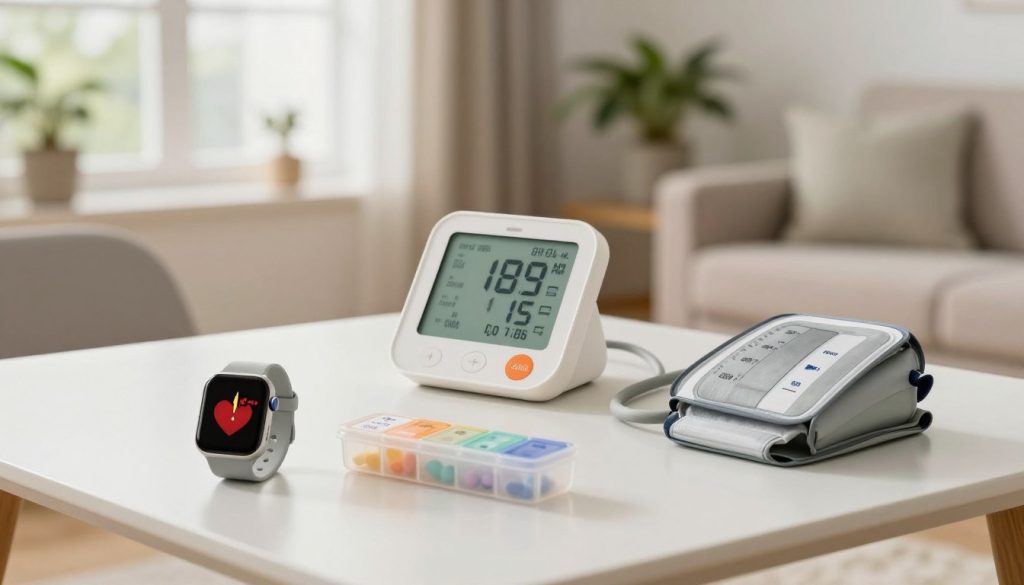
By following these steps, you can ensure a successful setup of your elderly health monitoring system, providing peace of mind for both you and your senior.
5. How to Integrate Smart Home Technology for Senior Safety
As technology advances, integrating smart home solutions into elderly care has become increasingly effective in ensuring senior safety. This integration not only enhances the quality of life for seniors but also provides peace of mind for their families and caregivers.
Installing Motion Sensors and Activity Monitors
Motion sensors and activity monitors are crucial components of a smart home system designed for senior safety. These devices can detect unusual activity or inactivity, alerting caregivers or family members to potential issues.
Amazon Echo Show 10 for Video Calling and Monitoring
The Amazon Echo Show 10 is a versatile device that can be used for video calling and monitoring. Its rotating camera allows for a wider view of the room, and it can be controlled remotely through the Alexa app.
“The Echo Show 10 is not just a smart display; it’s a window to the world for seniors, keeping them connected and monitored.”
Samsung SmartThings Motion Sensor
The Samsung SmartThings Motion Sensor is another valuable device that can be integrated into a smart home system. It detects motion and can trigger various actions, such as turning on lights or sending alerts.
| Device | Functionality | Compatibility |
|---|---|---|
| Amazon Echo Show 10 | Video calling, monitoring | Alexa ecosystem |
| Samsung SmartThings Motion Sensor | Motion detection | SmartThings hub |
Setting Up Automated Medication Dispensers
Automated medication dispensers are essential for seniors who need to manage multiple medications. These devices can be programmed to dispense medication at the right time, reducing the risk of overdose or missed doses.
Hero Automatic Pill Dispenser
The Hero Automatic Pill Dispenser is a user-friendly device that can hold up to 90 days’ worth of medication. It sends reminders and alerts to both the senior and their caregivers.
MedMinder Maya Automatic Pill Dispenser
The MedMinder Maya Automatic Pill Dispenser offers similar functionality with the added benefit of sending notifications to family members or caregivers in case of missed doses.
Implementing Smart Lighting and Fall Prevention
Smart lighting can play a significant role in fall prevention by ensuring that seniors have adequate lighting in their homes, especially at night. Motion-activated lights can automatically turn on when a senior gets out of bed, reducing the risk of falls.
By integrating these smart home technologies, seniors can live more safely and independently in their own homes. It’s a proactive approach to elderly health monitoring and senior health tracking, leveraging technology to improve quality of life.
6. Best Practices for Managing Daily Health Monitoring
To ensure the health and independence of seniors, daily monitoring is essential. Effective management of daily health monitoring involves several key practices that caregivers and family members can implement to support their loved ones.
Establishing Consistent Check-in Schedules
Creating a routine is vital for both the senior and the caregiver. Regular check-ins help in early detection of health issues and provide reassurance.
- Schedule daily calls or visits
- Use technology for automated reminders
- Adjust schedules as needed based on the senior’s condition
Tracking and Recording Health Data Trends
Monitoring health data over time can reveal patterns and potential issues before they become serious. This involves tracking vital signs, medication adherence, and other health indicators.
| Health Indicator | Normal Range | Action if Outside Range |
|---|---|---|
| Blood Pressure | 90/60 mmHg – 120/80 mmHg | Consult healthcare provider |
| Heart Rate | 60-100 bpm | Monitor closely, consult if persists |
| Blood Glucose | 70-130 mg/dL (fasting) | Adjust diet or medication as advised |
As emphasized by healthcare professionals, “Consistent tracking of health data is crucial for preventive care and managing chronic conditions effectively.”
“The key to successful health monitoring is not just collecting data, but understanding and acting on it.”
Responding to Alerts Promptly and Appropriately
Health monitoring systems often come with alert features for emergencies or when health data goes out of normal ranges. Responding promptly to these alerts is crucial.
Key actions include:
- Verifying the alert through a call or visit
- Contacting emergency services if necessary
- Adjusting the monitoring system settings as needed
Regularly Updating and Maintaining Equipment
To ensure continuous and accurate monitoring, it’s essential to keep the equipment in good working order.
This involves:
- Regularly charging devices
- Updating software and firmware
- Replacing worn-out or outdated equipment

By following these best practices, caregivers can significantly enhance the effectiveness of daily health monitoring for seniors, supporting their health, safety, and independence.
7. How to Balance Privacy, Dignity, and Safety
The delicate balance between privacy, dignity, and safety is a key consideration in elderly health monitoring. As we implement senior citizen health surveillance systems, it’s crucial to respect seniors’ independence while ensuring their well-being.
Having Open Conversations About Monitoring
Open dialogue is essential when introducing elder monitoring systems to seniors. It’s vital to involve them in the decision-making process, explaining the benefits and addressing any concerns they may have. This approach helps build trust and ensures that the monitoring solutions are acceptable and effective.
Involving seniors in the decision-making process not only respects their autonomy but also helps in tailoring the monitoring system to their specific needs. It’s about finding a balance between safety measures and personal freedom.
Protecting Health Data and Digital Privacy
Protecting the health data of seniors is paramount. Elder monitoring systems must be designed with robust security measures to prevent unauthorized access and data breaches. This includes using secure communication protocols, encrypting sensitive information, and ensuring compliance with relevant healthcare privacy regulations.
Families and caregivers should also be aware of the importance of maintaining digital privacy. This involves understanding the privacy policies of the monitoring devices and services they use.
Respecting Autonomy While Ensuring Safety
Respecting the autonomy of seniors is crucial while ensuring their safety. This can be achieved by implementing monitoring systems that are non-intrusive and minimally disruptive to their daily routines. For instance, wearable devices that track vital signs or motion sensors that monitor activity levels can provide necessary safety checks without compromising independence.
- Assessing the level of monitoring needed based on the senior’s health condition and living situation.
- Choosing monitoring solutions that are user-friendly and minimally intrusive.
- Regularly reviewing and adjusting the monitoring setup as the senior’s needs change.
Adjusting Monitoring Levels as Needs Change
The needs of seniors can change over time, requiring adjustments to their monitoring systems. Regular assessments are necessary to determine if the current level of monitoring is appropriate or if it needs to be scaled up or down. This flexibility ensures that seniors receive the right level of care and support.
Regular reviews of the monitoring setup also provide an opportunity to address any concerns or issues that have arisen, ensuring that the system remains effective and respectful of the senior’s privacy and dignity.
8. Conclusion
Elderly health monitoring solutions play a vital role in supporting independent living for seniors. By leveraging elder care technology, families can ensure their loved ones receive the care they need while maintaining their dignity and autonomy.
As discussed, assessing a senior’s health monitoring needs involves evaluating their current health conditions, identifying fall risks, and considering cognitive health. Choosing the right elderly health monitoring solutions, such as wearable health tracking devices and medical alert systems, can significantly enhance their safety and well-being.
By integrating smart home technology and following best practices for managing daily health monitoring, families can create a comprehensive care plan. This approach not only provides peace of mind but also enables seniors to live independently for longer.
Ultimately, elder care technology is revolutionizing the way we care for our aging loved ones. By embracing these innovative solutions, we can promote healthy aging, support independence, and improve overall quality of life.