

By 2030, nearly 20 percent of the United States population will be over age sixty-five. This historic demographic shift shows that finding ways to stay active is no longer just a choice. It is a vital necessity for millions of families across the country who want to maintain a high quality of life.
Focusing on senior health and wellness allows older adults to thrive rather than just survive during their golden years. True vitality comes from a careful balance of physical activity, mental sharpness, and consistent social ties. Embracing these habits early can make a massive difference in long-term happiness and physical strength.
Getting the right senior wellness support ensures that every individual can navigate this stage with confidence and grace. This article will show you how to cultivate a lifestyle that promotes lasting joy and independence. We will look at practical steps to enhance daily living through a holistic lens to help your loved ones find a renewed sense of purpose.
Key Takeaways
- Prioritize a holistic view of aging for better mental and physical results.
- Focus on balanced nutrition and consistent movement to maintain strength.
- Foster strong social connections daily to combat isolation and boost mood.
- Maintain mental clarity through engaging hobbies and lifelong learning.
- Access local resources for guided living and professional assistance.
- Ensure safety and comfort at home to support long-term independence.
Understanding What Senior Wellness Really Means
The concept of senior wellness extends beyond physical health to include emotional, social, and mental well-being. As individuals age, their needs evolve, and a comprehensive approach to wellness becomes crucial for maintaining quality of life.
The Six Pillars of Elderly Well-Being Assistance
Elderly well-being assistance is founded on six key pillars that work together to support the holistic health of seniors. These pillars are:
- Physical Health: Regular exercise, healthy eating, and preventive healthcare.
- Mental and Emotional Well-being: Managing stress, staying mentally active, and maintaining emotional resilience.
- Social Connections: Building and maintaining relationships with family, friends, and community.
- Spiritual Well-being: Finding meaning, purpose, and connection to something larger than oneself.
- Financial Security: Managing finances effectively to reduce stress and increase peace of mind.
- Environmental Safety: Living in a safe, comfortable, and accessible environment.
| Pillar | Description | Examples of Support |
|---|---|---|
| Physical Health | Regular exercise and healthy eating | Gym memberships, nutrition counseling |
| Mental and Emotional Well-being | Managing stress and staying mentally active | Meditation classes, cognitive training programs |
| Social Connections | Building and maintaining relationships | Social clubs, volunteer opportunities |
Why Holistic Wellness Matters More Than Ever
In the context of the aging population, holistic wellness is not just beneficial; it’s essential. As people age, they face unique challenges that can impact their overall well-being. A holistic approach to wellness addresses these challenges comprehensively, ensuring that seniors receive the support they need across all dimensions of their health.
Holistic wellness is particularly important because it acknowledges the interconnectedness of physical, emotional, and social health. By focusing on the whole person, rather than just one aspect of their health, seniors can experience improved quality of life, greater resilience, and a more positive outlook on aging.
How to Conduct a Personal Wellness Assessment
Embarking on a journey to assess personal wellness is a proactive step towards enhancing senior well-being resources. This process involves a comprehensive evaluation of various aspects of health and lifestyle to identify areas for improvement and implement necessary changes.
Step 1: Evaluate Current Physical Health Status
Assessing physical health is foundational to understanding overall wellness. This step involves examining mobility, strength, and any existing medical conditions.
Mobility and Strength Considerations
Evaluating mobility and strength is crucial for determining the ability to perform daily tasks and maintain independence. Consider factors such as flexibility, balance, and the ability to engage in physical activities.
Existing Medical Conditions and Limitations
It’s essential to take stock of any chronic conditions, such as diabetes or arthritis, and understand how these conditions impact daily life. This awareness can guide decisions about elderly health support needs.
Step 2: Assess Mental and Emotional Well-Being
Mental and emotional health plays a significant role in overall wellness. This assessment involves looking at cognitive function and emotional health indicators.
Cognitive Function Indicators
Cognitive health can be assessed by evaluating memory, problem-solving skills, and the ability to learn new information. Identifying any cognitive challenges early can help in seeking appropriate support.
Mood and Emotional Health Signs
Monitoring mood and emotional health is vital. Signs of depression, anxiety, or other emotional challenges should be recognized, and appropriate senior wellness initiatives can be explored.
Step 3: Review Social Connections and Daily Activities
Social connections and engagement in meaningful activities are critical for emotional and mental well-being. This step involves assessing the current state of social interactions and daily routines.
By following these steps, seniors can gain a comprehensive understanding of their wellness status and identify areas where senior well-being resources can be leveraged to improve their quality of life.
Creating Your Physical Health Action Plan
A well-structured physical health action plan is vital for seniors, enabling them to manage their health proactively and live fulfilling lives. This plan should be tailored to their specific needs, incorporating elements such as exercise, medication management, and preventive health screenings.
Developing a Safe and Effective Exercise Routine
Exercise is a cornerstone of physical health, especially for seniors. It helps maintain mobility, strength, and balance, reducing the risk of falls and other age-related issues. When developing an exercise routine, it’s essential to consider the senior’s current health status and capabilities.
Low-Impact Activities for Daily Movement
Low-impact activities are ideal for seniors as they minimize the risk of injury while still providing numerous health benefits. Examples include:
- Brisk walking
- Swimming
- Cycling
- Yoga
These activities can be adapted to suit different fitness levels and can be incorporated into daily routines.
Balance and Flexibility Exercises
Balance and flexibility exercises are crucial for preventing falls and maintaining mobility. Tai Chi and balance exercises, such as standing on one foot, can significantly improve balance. Flexibility exercises, like stretching, help maintain range of motion.
“Exercise is a celebration of what your body can do, not a punishment for what you ate.”
Managing Medications and Medical Appointments
Effective management of medications and medical appointments is critical for maintaining physical health. Seniors should:
- Keep a medication log to track dosages and timings
- Use pill boxes or automated reminders
- Regularly review medications with their healthcare provider
| Medication | Dosage | Frequency |
|---|---|---|
| Aspirin | 81mg | Daily |
| Lisinopril | 10mg | Daily |
| Atorvastatin | 20mg | Daily |
Scheduling Preventive Health Screenings
Preventive health screenings are vital for early detection and management of health issues. Seniors should work with their healthcare providers to schedule regular screenings, such as:
- Annual physical exams
- Blood pressure checks
- Diabetes screening
- Cancer screenings (e.g., mammograms, colonoscopies)
By incorporating these elements into their physical health action plan, seniors can take proactive steps towards maintaining their health and well-being, potentially benefiting from senior care services and geriatric wellness programs that support their specific needs.
Implementing Senior Wellness Support for Mental Health
Ensuring seniors receive adequate mental health support is essential for their overall quality of life. As people age, they face various challenges that can impact their mental well-being, from the loss of loved ones to declining physical health. Therefore, it’s crucial to implement effective strategies to support their mental health.
Recognizing and Addressing Common Mental Health Challenges
Mental health challenges in seniors can manifest in different ways, making it essential to recognize the signs early. Common issues include depression, anxiety, and cognitive decline.
Warning Signs to Watch For
Identifying the warning signs of mental health challenges is the first step towards providing support. Some key indicators include:
- Changes in mood, such as increased irritability or withdrawal
- Difficulty concentrating or making decisions
- Loss of interest in activities once enjoyed
- Changes in appetite or sleep patterns
When to Seek Professional Help
If you or a loved one is experiencing any of these warning signs, it’s essential to seek professional help. Mental health professionals can provide diagnoses and develop treatment plans tailored to the individual’s needs.
Early intervention is key to managing mental health challenges effectively. Don’t hesitate to reach out to healthcare providers or mental health specialists for support.
Incorporating Brain-Boosting Activities Daily
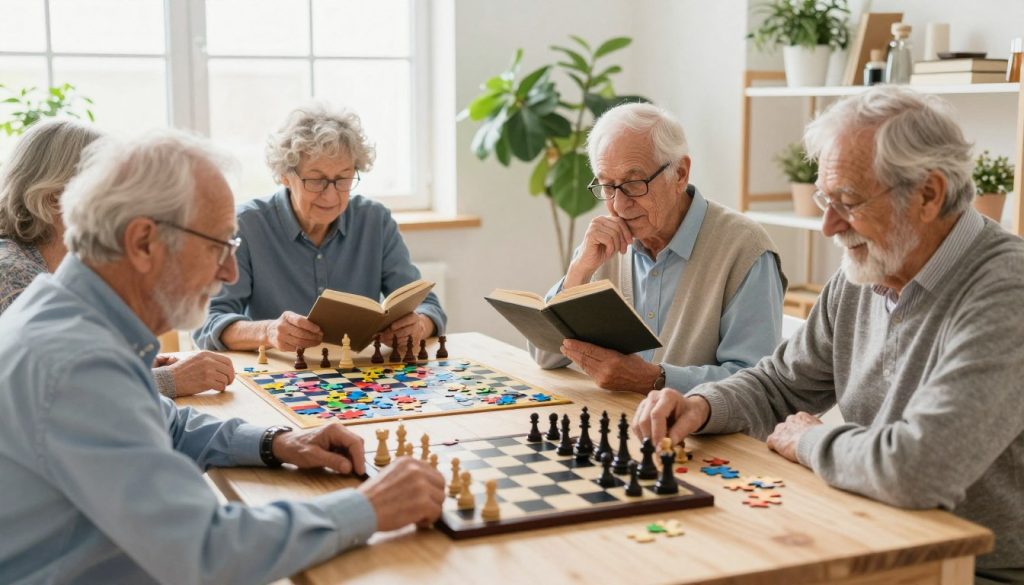
Engaging in brain-boosting activities can significantly support mental health in seniors. These activities not only challenge the mind but also provide a sense of accomplishment and joy.
Memory Games and Puzzles
Memory games and puzzles are excellent ways to keep the mind active. Activities such as crosswords, Sudoku, and memory matching games can help improve cognitive function.
Regular mental stimulation is vital for maintaining cognitive health. Incorporating these activities into daily routines can make a significant difference.
Learning New Skills and Hobbies
Learning new skills or hobbies is another effective way to support mental health. Whether it’s painting, gardening, or playing a musical instrument, engaging in new activities can stimulate the brain and provide a sense of purpose.
Building Emotional Resilience Through Mindfulness
Mindfulness practices can help seniors build emotional resilience, reducing stress and anxiety. Techniques such as meditation, deep breathing exercises, and yoga can promote a sense of calm and well-being.
By incorporating mindfulness into daily life, seniors can better manage the challenges they face, enhancing their overall mental health and well-being.
Strengthening Social Connections and Community Ties
Strengthening social bonds and community relationships is a vital aspect of senior wellness that can lead to a more satisfying life. As individuals age, their social connections and community ties play a significant role in their overall health and well-being.
Finding and Joining Local Senior Wellness Initiatives
One effective way to strengthen social connections is by participating in local senior wellness initiatives. Many communities offer programs and activities designed specifically for seniors, such as:
- Exercise classes tailored for older adults
- Social clubs focused on hobbies or interests
- Educational workshops on health and wellness topics
These initiatives not only provide opportunities for socialization but also contribute to physical and mental well-being.
Using Technology to Bridge Distance Gaps
Technology can be a powerful tool for seniors to stay connected with family, friends, and their community, especially when physical distance is a challenge.
Video Calling with Family and Friends
Video calling platforms like Zoom or Skype allow seniors to maintain face-to-face interactions with loved ones who live far away. Regular video calls can help reduce feelings of loneliness and isolation.
Online Community Groups and Forums
Joining online forums or social media groups centered around shared interests can also help seniors expand their social networks. These platforms provide a space to share experiences, seek advice, and connect with others who have similar interests or challenges.
Engaging in Meaningful Volunteer Work
Engaging in volunteer work is another meaningful way for seniors to strengthen their community ties. Volunteering not only provides a sense of purpose but also offers opportunities to meet new people and build relationships.
Benefits of Volunteer Work for Seniors:
- Enhanced sense of purpose and fulfillment
- Opportunities to meet new people and form connections
- Potential for improved mental and physical health
By finding and joining local initiatives, leveraging technology, and engaging in volunteer work, seniors can significantly strengthen their social connections and community ties, leading to a more fulfilling life.
Optimizing Nutrition and Lifestyle Habits
Embracing a balanced diet and healthy lifestyle is key to empowering senior wellness. As people age, their nutritional needs change, and adopting healthy habits can significantly impact their overall health.
Planning Nutrient-Rich Meals for Aging Bodies
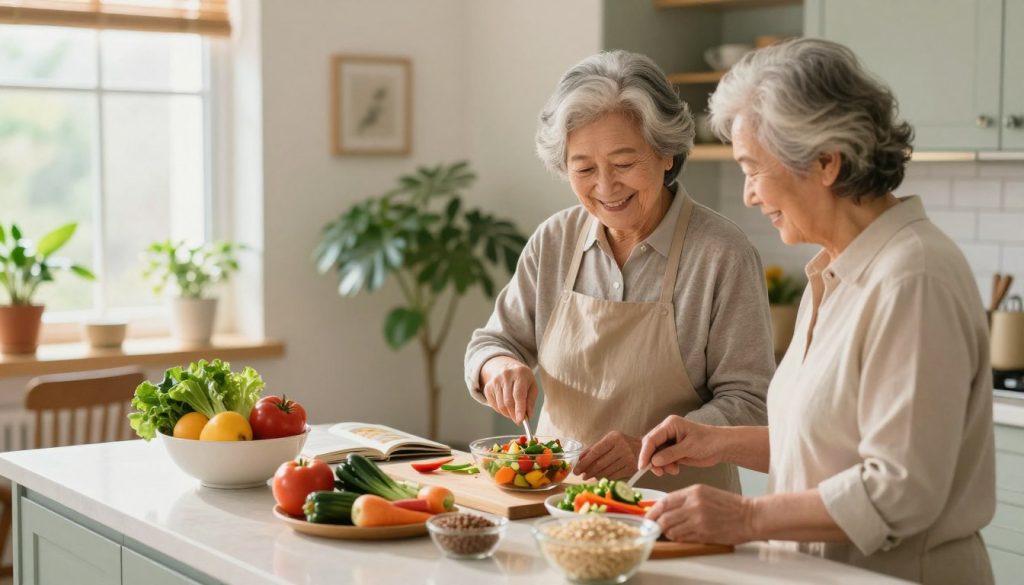
A well-planned diet is crucial for seniors to maintain their health and prevent chronic diseases. Nutrient-rich meals should include a variety of foods such as fruits, vegetables, whole grains, lean proteins, and healthy fats.
Essential Vitamins and Minerals for Seniors
Seniors require adequate amounts of certain vitamins and minerals to maintain their health. Calcium and vitamin D are crucial for bone health, while vitamin B12 is important for nerve function and the production of red blood cells.
- Calcium: Supports bone health
- Vitamin D: Enhances calcium absorption
- Vitamin B12: Essential for nerve function and red blood cell production
Hydration and Dietary Fiber Needs
Adequate hydration is vital for seniors to prevent dehydration and maintain bodily functions. Dietary fiber is also important for healthy digestion and preventing constipation.
It’s recommended that seniors drink plenty of water throughout the day and consume fiber-rich foods such as fruits, vegetables, and whole grains.
Establishing Consistent Sleep Patterns
Good sleep is essential for overall health and well-being. Seniors should aim for 7-9 hours of sleep per night and establish a consistent sleep schedule to improve the quality of their sleep.
Creating a bedtime routine and optimizing the sleep environment can also help improve sleep quality.
Adapting Your Home for Safety and Comfort
As people age, their homes may need modifications to ensure safety and comfort. This can include removing tripping hazards, installing handrails, and improving lighting.
By making these adaptations, seniors can reduce their risk of falls and maintain their independence.
Building Your Elder Support Network
As seniors age, having a robust elder support network becomes increasingly crucial for their overall well-being. This network can provide emotional support, practical assistance, and access to necessary resources, enhancing their quality of life.
Researching Senior Care Services in Your Community
Understanding the senior care services available in your community is a critical step in building an effective elder support network. This involves looking into various care options that can cater to different needs and preferences.
In-Home Care Options
In-home care allows seniors to receive assistance with daily tasks in the comfort of their own homes. Services can range from basic housekeeping and meal preparation to skilled nursing care.
Adult Day Programs and Respite Care
Adult day programs offer a structured environment where seniors can engage in social activities, receive meals, and have access to health services. Respite care provides temporary relief for caregivers, allowing them to rest or attend to personal matters.
| Care Option | Description | Benefits |
|---|---|---|
| In-Home Care | Care provided in the senior’s home | Personalized care, comfort of home |
| Adult Day Programs | Structured activities and services outside the home | Social interaction, health services |
| Respite Care | Temporary care to relieve primary caregivers | Relief for caregivers, temporary support |
Enrolling in Geriatric Wellness Programs
Geriatric wellness programs are designed to promote health and well-being among seniors. These programs often include fitness classes, health education, and social activities tailored to the needs of older adults.
Benefits of Geriatric Wellness Programs include improved physical health, enhanced mental well-being, and increased social connections.
Coordinating with Family Members and Caregivers
Effective coordination with family members and caregivers is vital for creating a cohesive support network. This involves regular communication, shared care planning, and mutual support.
Tips for Coordination include scheduling regular family meetings, using care management tools, and ensuring all parties are informed about the senior’s needs and care plan.
Conclusion
As we have explored throughout this article, a comprehensive approach to senior wellness is crucial for maintaining a high quality of life. By understanding the six pillars of elderly well-being assistance and taking proactive steps towards physical, mental, and social well-being, seniors can enjoy a more fulfilling life.
Senior wellness initiatives play a vital role in supporting this holistic approach, providing resources and services that cater to the unique needs of seniors. By leveraging these initiatives and seeking elderly well-being assistance when needed, individuals can better navigate the challenges of aging.
Ultimately, achieving senior wellness requires a commitment to ongoing self-care and a willingness to adapt to changing needs. By prioritizing health, social connections, and personal growth, seniors can look forward to a more vibrant and engaging life.